
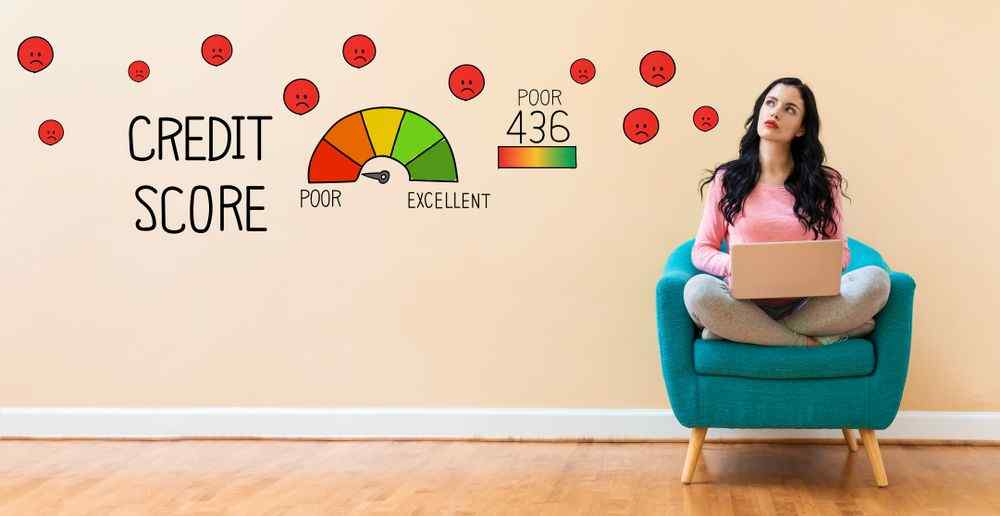
If you have applied for a credit card or any loan or if you're planning to. The one word that you are bound to hear is credit score. Have you ever wondered what it is, how it affects the whole process of getting a loan, what factors are involved in it's evaluation and what is the required range of the credit score and how to maintain it. Well, we have got you covered in this article.
What Is A Credit Score?
Firstly, let's have a look at what actually credit score is. Credit score basically is a three digit number which depicts your creditworthiness. Credit score is evaluated by lenders or banks before giving you any loan or credit card to check whether you are credible and capable enough to repay the loan on time based on your credit history. This way a lender might feel confident in taking risk. These scores are taken from credit bureaus.
Importance Of Credit Score In Canada
Credit scores determine the eligibility of any person for any kind of loan or credit card. In Canada, 71% of families take loans in the form of mortgages, personal, student or car loans. It indicates how important it is for Canadians to maintain their credit scores. If they don't maintain a nice credit score, they won't be able to get any loan. Also, the better the score you have the more power you have in terms of getting loans on low interest rate and negotiating terms.
Factors Involved In Evaluating A Credit Score
In Canada, credit scores are mostly sourced from two bureaus :
- Equifax
- TransUnion
However, the credit score depends on some factors that include your credit history, how often you open new accounts and their record. Also, how timely you have repaid past loans.
Lenders who have given loans to you in the past, make a credibility report of yours and submit to these bureaus. One more point worth adding is that as there are different scoring models your credit score may vary depending on what model the lender has chosen to calculate from.
Credit Score Range In Canada
In Canada, usually the normal range of the credit score is 300-900. As, mentioned above, there are different scoring models. Hence, depending on different bureaus and models they are using, credit score ranking may slightly vary but generally the following ranking is used:
- If your score is 800-900, you have an excellent credit score. You are more likely to get the loan or credit card.
- If your score is 720-799, your credit history is very good which means you have many credit options to choose from.
- If your credit score is 650-719, your credit score is good. Although, you wouldn't be able to get a low interest rate. Yet, it wouldn't be considered an entirely bad profile.
- If the score is 600- 649, your credit score is fair. Lender might want to look into your repayment history before making a decision whether to lend to you or not
- If the score is between 300-599. Your profile really needs to be improved as it will put the lender in a lot of doubt about you as it indicates your past record is not very good.
Factors That Can Reduce Your Chances Of Getting A Good Credit Score
If a lender who is giving you a loan is indeed at a risk. It is quite natural that every lender would be too cautious before granting a loan. They will definitely go through a lot of consideration as to whether to take risk or not. Their fear is justified. However, you are responsible for making yourself less credible. Healthy financial habits lead to a healthy score and healthy credibility. Following are the some habits that can get you in trouble while applying for a loan:
- Late Payments
The first thing the lender would think before approving your application would be about the money back guarantee. Obviously, for this he would see how quickly and timely you have paid your previous credits. If your payments are too late. It will be a red flag for them and prove that you are not responsible enough which results in reducing your chances to qualify.
2. Missed Payments
If you keep missing payments it will definitely cause you a lot of trouble. It affects your credibility and creditworthiness badly. However, if you have missed once in the past it is fine but if you have missed payments more than once, it will put a big question mark on your credibility. Moreover, time also plays a vital role. As if you used to miss your payments five years back it won't affect much but if you have missed your payments in the current year it will have a massive effect.
3. Your Financial Instability
You may have a very good past record. You might have paid every payment on time without missing one but what if your current financial status is about to collapse or you are near a financial breaking point. Before lending, a lender would want to take it into consideration too that if the borrower would be able to pay the money back or not. If they doubt your ability to return the payments they obviously wouldn't want to lend their money to you.
4. Opening Too Many Accounts
Opening too many accounts than normal range may increase the chances to make the lender think you are not going to pay the amount back. The lender will start a hard inquiry as sometimes, opening too many accounts than normal range is an indication that a person is facing problems in cash flow therefore planning to get a lot of debt which eventually results in a higher credit risk.
How To Improve Your Credit Score
If you are more likely to apply for loans, you must work hard to improve or maintain your credit score as the whole process heavily depends on it. If you already have a good score keep the good work up and try maintaining it. If you don't have a good score. Don't worry, try to improve it.
- Pay On Time
Try adopting the habit of paying credit on time as your score depends on your payment history. Bureaus keep getting your record and information. So, the only way to remain in good books is to keep your record clean.
2. Pay Your Other Bills On Time
Your record doesn't only include your credit payments but your telephone, home bills etc too. Lender might get your bill record too. So, focus on that too and keep paying the bills on time.
3. Don't Apply For Too Many Credit Accounts At Once
When you apply for a loan or credit card. Your record of every other application might come up. This will make you look doubtful.
4. Keep Your Previous Credit Accounts Open
Experts say even if you are not using your previous credit accounts anymore, still keep them open. As their history will help elevate your score. As, your score also depends on how older your borrowing history is.
5. Keep A Check On Your Account Report
Keep checking your report regularly. Keep checking whether the information is right or wrong. This will help you track your record. You will be able to apply with more confidence.
To sum it up we would recommend don't take your three digit credit score lightly as the approval of your loan applications depends on it. Follow the above mentioned tips consistently to get yourself labelled as creditworthy by lenders.